How Free Offers Can Boost Your Business


Let’s be honest: everyone loves free stuff. Whether it’s a free sample at the grocery store or a free trial of an app, most people won’t think twice about saying “yes” to something that doesn’t cost them anything.
But here’s the interesting part — free offers aren’t just for the benefit of the customer. If done strategically, they can actually be one of the most powerful ways to boost business revenue and long-term growth.
The psychology behind it is simple: when people receive something for free, they feel more positively about the brand. That emotional connection, paired with the law of reciprocity (the natural human tendency to return a favor), makes them more likely to spend money later.
So, how exactly does giving something away for free translate into higher profits? Let’s break it down.

1. Freebies With a Purchase
This is one of the most common — and effective — ways businesses use free offers. You’ve probably seen it everywhere:
- Bundled products – “Buy Product A, get Product B free.”
- Volume deals – “Pay for a year’s subscription and get 2 months free.”
- BOGO promos – “Buy one, get one free.”
The psychology here is straightforward: customers feel like they’re getting more value, which makes them more willing to commit to a purchase.
For small businesses, this doesn’t have to mean giving away expensive items. Even low-cost but high-value items — like free packaging upgrades, free digital downloads, or free shipping — can be enough to push customers to buy.
👉 Example: A skincare brand offering a free mini moisturizer with every full-sized purchase. Customers try the smaller product (which might become their next favorite), and the business plants a seed for future repeat sales.
2. The Freemium Model
If you’ve ever downloaded an app, you’ve probably encountered the freemium model.
Here’s how it works:
- The basic version is free, so users can try the product without risk.
- The premium version comes with better features and benefits — and that’s where revenue kicks in.
This lowers the barrier for entry. Customers don’t feel pressured because they can use the product at no cost, but once they see its value, many are happy to pay for upgrades.
👉 Example: Spotify gives you free access to music with ads. But if you want offline listening, unlimited skips, and no ads, you upgrade to Spotify Premium.
👉 Small business application: A financial coach could offer a free budgeting template but charge for a premium financial planning course.
3. Free Trials
The “try before you buy” method works across industries. Free trials give customers a risk-free way to test a product or service.
- Streaming platforms like Netflix and Disney+ often provide a 7-day or 30-day trial before charging.
- Gyms and fitness studios commonly offer free passes to first-timers.
- Food brands hand out free samples in supermarkets, knowing that satisfied tasters are more likely to purchase.
What makes free trials effective is trust building. Customers get to experience the value firsthand, and once they’ve integrated the product into their lives, they often don’t want to give it up.
👉 Example: Adobe Creative Cloud allows students and professionals to test its design tools for free. Once hooked, users find it difficult to switch to alternatives, leading to long-term subscriptions.
4. Free Offers That Drive Indirect Revenue
Sometimes the freebie itself isn’t directly monetized, but it creates an environment where customers spend more.
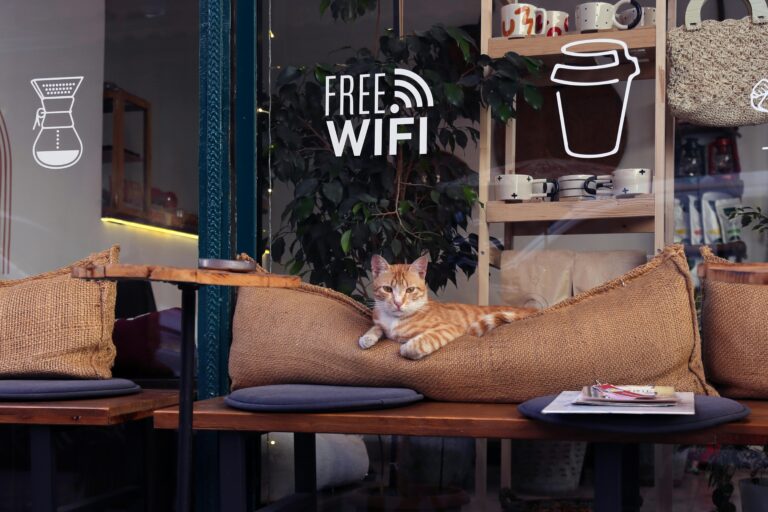
- Coffee shops offering free WiFi – Customers stay longer, order more drinks, and bring friends.
- Printers sold cheap (or even free) – The real money is in the ink cartridges and toners.
- Airlines offering free checked baggage for frequent flyers – Encourages customer loyalty and repeat bookings.
The brilliance here is not in the free item itself, but in the ecosystem around it. Businesses can strategically decide what to give away for free to maximize the value of what customers end up paying for.
👉 Small business idea: A bakery offering free bread samples during the morning rush. Even if customers only planned to buy coffee, many will add bread once they’ve tasted it.
5. Content as a Free Offer
In today’s digital world, content is one of the most powerful free offers. Blogs, eBooks, webinars, and social media tips are essentially free products that attract attention and build authority.
- A real estate agent offering a free guide to first-time home buying builds trust with potential clients.
- A fitness coach giving away free workout plans on YouTube attracts followers who may later purchase one-on-one coaching.
- A restaurant sharing free recipes online positions itself as an expert in its cuisine, encouraging people to dine in.
Content marketing works because it flips the script: instead of asking for money upfront, businesses provide value first. This generosity makes customers more open to buying later.
6. Psychological Triggers Behind “Free”
Why does free work so well? It taps into deep psychological triggers:
- The Zero-Price Effect – People overvalue things that cost nothing, even if the monetary value is small.
- Reciprocity – When you receive something free, you feel compelled to give back — often through a purchase.
- Risk Elimination – Free removes the fear of making a bad purchase. Customers feel safe to try.
- Scarcity and Urgency – Limited-time free offers (“free for the first 100 customers”) trigger faster decision-making.
Understanding these triggers helps you design offers that don’t just give away products but strategically move customers closer to purchase.
7. How to Make Free Offers Work for Your Business
Giving things away isn’t automatically profitable. You need strategy. Here are golden rules:
- Make it valuable – The freebie should be something people genuinely want.
- Keep it relevant – Your free offer should align with your main product. A freebie that doesn’t connect won’t lead to sales.
- Track results – Measure conversion rates, sales increases, or customer loyalty after the free offer.
- Set boundaries – Free should attract, not drain resources. Limit quantities, timeframes, or conditions (e.g., “Free gift with purchase above ₱1,000”).
Build relationships – Use freebies to collect emails, generate leads, and start long-term conversations with customers.

Real-World Success Stories
- Dropbox – Offered free storage space to anyone who invited a friend. This “free offer” grew their user base from 100,000 to 4 million in just 15 months.
- Costco – Known for free samples in their aisles. Customers not only buy the sampled product but often spend more overall because of the feel-good shopping experience.
- Tesla – Gave free unlimited charging to early Model S buyers, creating buzz and loyalty that boosted sales.
These examples show that free offers, when executed strategically, can transform businesses.
Final Thoughts
Free offers are not expenses — they’re investments in customer relationships. When positioned right, they don’t just attract attention; they convert interest into revenue.
The secret is to view “free” as a gateway. It’s not about giving away value for nothing, but about planting seeds that grow into long-term profits. Whether through samples, trials, freemium models, or content, free offers build trust, remove risk, and create loyalty.
So the next time you consider giving something away, don’t see it as a loss. See it as the smartest marketing strategy you can use to drive future growth.