How to Give a Proper Handshake


A handshake may seem like a small gesture, but in reality, it carries a lot of weight. Whether you’re in a business meeting, a networking event, or simply greeting someone you’ve just met, a good handshake leaves a lasting impression.
It signals confidence, respect, and professionalism—all qualities that matter in both personal and professional relationships. In fact, research in body language and first impressions suggests that people form judgments about you within the first 7 seconds of meeting. And often, that handshake is the very first physical cue they receive.
Think about it: in many situations, a handshake is the first form of contact you’ll have with someone. That quick moment can set the tone for everything that follows—whether it’s closing a deal, building trust, or simply making a new friend.
Why Handshakes Matter
Some might argue that handshakes are just tradition. But if we look closer, they are more than etiquette—they’re psychology in action.
- Confidence Signal: A firm, well-executed handshake communicates self-assurance.
- Respectful Gesture: It acknowledges the other person, showing that you value the interaction.
- Professional Standard: In business, it’s a global sign of professionalism and good manners.
In cultures like the Philippines, where respect and social harmony are deeply valued, a proper handshake can help bridge relationships—whether you’re greeting a client, a boss, or a new acquaintance.
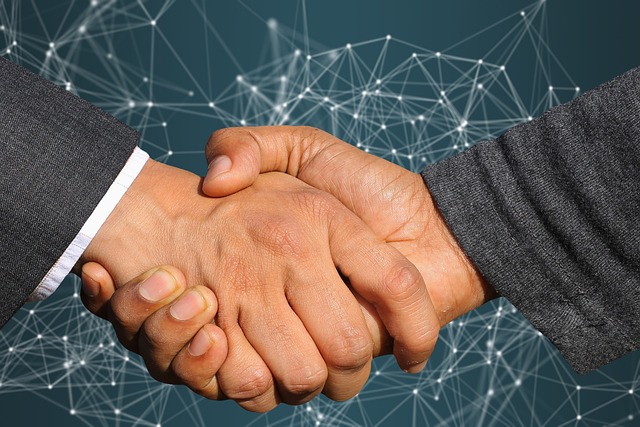
Five Steps to a Confident Handshake
If you want your handshake to leave the right impression, follow these five simple but powerful steps:
1. Maintain Eye Contact and Smile
Eye contact shows attentiveness and sincerity. Pair it with a warm, natural smile and a greeting like, “It’s great to meet you.” This small touch makes the interaction feel genuine instead of mechanical.
2. Extend Your Hand Properly
Keep your thumb pointing upward and your hand open, palm facing sideways, as you meet the other person halfway. Extending too early or too late can feel awkward—timing matters.
3. Aim for Palm-to-Palm Contact
A proper handshake requires that the web of your hand (between the thumb and forefinger) connects with the other person’s. Anything less results in a weak or incomplete grip.
4. Match the Grip
Your handshake should be firm but not overpowering. The trick is to adjust your grip strength according to the other person’s. Too weak suggests insecurity; too strong can feel aggressive.
5. Shake Lightly, Then Release
Two to three gentle pumps are enough. A handshake should be brief but meaningful. Holding on too long crosses into uncomfortable territory.
Common Handshake Mistakes to Avoid
Even though handshakes are simple, people often get them wrong. Here are mistakes that can ruin first impressions—and how to avoid them:
- Sweaty Hands
Nervousness can cause sweaty palms. Before meetings, discreetly wipe your hand with a tissue or handkerchief. It’s a small detail that makes a big difference. - Weak Grip
A limp handshake feels like you’re not interested or confident. Practice delivering a grip that’s firm yet comfortable. - Four-Finger Shake
This happens when palms don’t fully connect, and only the fingers make contact. It feels awkward and incomplete. Always aim for full palm contact. - Overly Strong Grip
Crushing someone’s hand doesn’t show strength—it shows poor awareness. Adjust your grip to match theirs, especially with older individuals or those with lighter grips.
Lingering Too Long
Handshakes are not meant to be hand-holds. More than three pumps or holding on too long can make things uncomfortable.

Cultural Insights: Do Handshakes Mean the Same Everywhere?
Handshakes may be universal, but their style and meaning can vary across cultures:
- Philippines: Handshakes are often paired with a friendly smile or nod. With elders, a gentler grip is respectful.
- United States: Firm handshakes are seen as a sign of confidence and assertiveness.
- Japan: Handshakes exist but are less common; bowing remains the primary greeting.
- Middle East: Handshakes may last longer, but grip strength tends to be lighter. Gender norms can also affect whether a handshake is appropriate.
Understanding these nuances is part of cultural intelligence—a valuable skill in today’s global business environment.
The Psychology of First Impressions
Studies in nonverbal communication show that a handshake can actually influence someone’s perception of your personality. A good handshake is often linked to qualities such as:
- Openness
- Agreeableness
- Extroversion
- Confidence
Meanwhile, a bad handshake (limp, sweaty, too aggressive) can trigger assumptions of insecurity, dishonesty, or lack of professionalism—even if untrue.
This is why practicing a confident handshake is more than etiquette—it’s a personal branding tool.
Practical Tips to Improve Your Handshake
If you feel unsure about your handshake, here are a few things you can do to improve:
- Practice with friends or colleagues. Get feedback on your grip and style.
- Be mindful of hygiene. Clean, dry hands make a difference. Grooming matters too—trimmed nails and neat hands reflect professionalism.
- Prepare mentally. Nervousness can show in your handshake. Take a deep breath before important introductions.
- Use both words and touch. A handshake paired with a greeting like, “It’s a pleasure to meet you,” feels more genuine.
Handshakes in the Age of COVID-19
It’s worth noting that during the pandemic, handshakes almost disappeared, replaced by fist bumps, elbow taps, or simple nods. Even now, some people remain cautious.
So, always read the situation. If the other person doesn’t extend their hand, don’t force it. A respectful nod, bow, or wave can be just as professional.
But in most professional contexts today, especially in the Philippines and many Western countries, the handshake has made its comeback—because it remains such a powerful tool of human connection.
Final Thoughts
A handshake might seem like a small detail, but in reality, it’s one of the first tests of your social and professional presence.
The way you shake hands can signal confidence, warmth, and respect—or the opposite. By practicing the right technique and avoiding common mistakes, you can project professionalism and leave people with a positive, lasting impression.
Remember, a proper handshake isn’t just etiquette—it’s an investment in how others perceive you. And in a world where first impressions can open or close doors, that small gesture can make a very big difference.
So next time you extend your hand, remember: it’s not just a greeting. It’s your personal brand, wrapped up in one quick, confident gesture.