Truth About Low-Risk, High-Yield, Fast-Cycle Investments


Every investor dreams of the perfect formula: low risk, high returns, and quick profits.
Imagine putting your money into something today and cashing out tomorrow with zero stress and double your capital. Sounds like the ultimate investment, right?
Well, here’s the hard truth: that kind of investment doesn’t exist.
If it did, everyone would already be rich. The reality is, in the world of finance, three things are always connected: risk, return, and time. If you want one side of the triangle, you almost always give up a bit of the other two.
🚩 The Promises That Sound Too Good to Be True
Since I started writing about investments, I often get invitations from people to check out their “low-risk, high-yield, fast-cycle” opportunities.
Some of them look legit. They have polished websites, social media ads, and even “testimonies” of people who supposedly earned big in just a few weeks. They use words like guaranteed, assured profits, or no risk involved.
But when I dig deeper, most of them fall apart:
- The business model isn’t clear.
- The company isn’t regulated by the SEC (Securities and Exchange Commission) or BSP (Bangko Sentral ng Pilipinas).
- The numbers just don’t make sense.
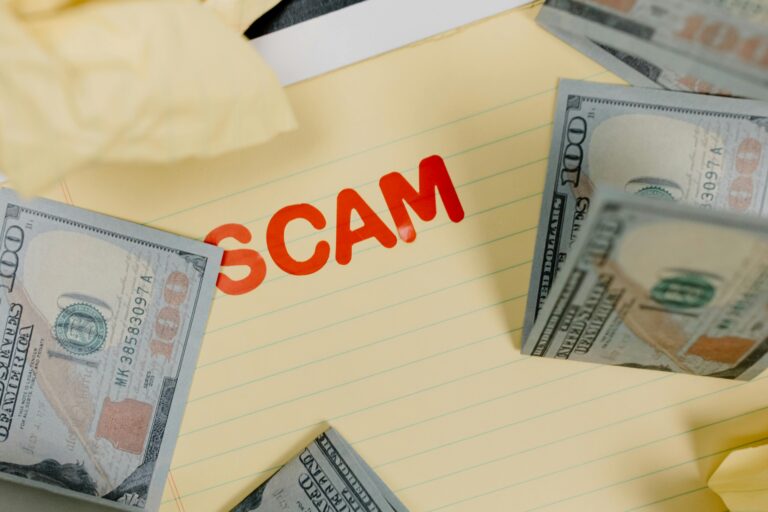
And my gut reaction? 🚩 Be careful. If you feel like you’ve discovered a magic investment, chances are it’s not an investment at all—it’s a scam.
📊 The Reality of Investing
Let’s break it down. Here’s how investments actually work:
- Low-risk investments = low returns
- Examples: savings accounts, time deposits, treasury bills, government bonds.
- These are safe, regulated, and reliable—but don’t expect life-changing profits.
- Examples: savings accounts, time deposits, treasury bills, government bonds.
- High-yield investments = high risk
- Examples: stocks, cryptocurrency, startups, real estate flipping.
- These can give big profits, but also big losses. Not for the faint of heart.
- Examples: stocks, cryptocurrency, startups, real estate flipping.
- Fast-cycle investments = unstable
- Anything that claims quick turnaround either pays small (low yield) or is highly volatile (high risk).
- Anything that claims quick turnaround either pays small (low yield) or is highly volatile (high risk).
And then there’s the worst type: high-risk, low-yield investments.
This is the kind you should avoid at all costs. You’re taking risks without meaningful rewards—a lose-lose deal.
💭 “But I Don’t Want to Lose Money…”
A lot of beginners tell me:
“Can I just stick with safe, low-yield investments? At least I won’t lose.”
The short answer is yes, you can. It’s better than keeping cash under your mattress where inflation silently eats it away.
But here are three things you need to understand:
- Inflation eats returns.
- If your time deposit gives you 3% per year but inflation is 5%, your money is actually shrinking in value.
- If your time deposit gives you 3% per year but inflation is 5%, your money is actually shrinking in value.
- Know your risk tolerance.
- Some people can’t sleep if their money is in a volatile asset. Others are willing to ride the ups and downs for bigger long-term gains. Find your comfort zone.
- Some people can’t sleep if their money is in a volatile asset. Others are willing to ride the ups and downs for bigger long-term gains. Find your comfort zone.
- Have a clear goal.
- Are you investing for retirement, a car, or starting a business? Your timeline and purpose should guide your choices.
- Are you investing for retirement, a car, or starting a business? Your timeline and purpose should guide your choices.

⚖️ The Risk-Return-Time Triangle
Here’s the simplest way to visualize it:
- Low Risk + Fast Cycle = Low Yield. Example: savings account. Safe and accessible, but won’t grow much.
- Low Risk + High Yield = Long Time. Example: diversified stock portfolio. Can grow wealth, but needs patience.
- High Yield + Fast Cycle = High Risk. Example: crypto trading or penny stocks. Big potential, but you can lose just as fast.
👉 You can’t have all three. The key is to balance what you value most.
🛑 Common “Too Good to Be True” Schemes in the Philippines
Here are some traps that many Filipinos fall for:
- Double-your-money schemes. Someone promises your money back plus 100% in 30 days.
- “Crypto” or “Forex” programs that don’t actually trade but just rely on new investors’ money (Ponzi).
- Unregistered lending or investment pools that operate without SEC registration.
- High-return agriculture/real estate schemes with no clear operations behind them.
If they can’t clearly explain how they make money and who regulates them, stay away.
✅ What Actually Works: Smart Strategies
So, if unicorn investments don’t exist, what should you do?
- Build a Balanced Portfolio.
- Mix safe assets (bonds, deposits) with growth assets (stocks, mutual funds, ETFs).
- The right balance depends on your risk tolerance and goals.
- Mix safe assets (bonds, deposits) with growth assets (stocks, mutual funds, ETFs).
- Think Long-Term.
- Compounding works best with time. A modest 8% annual return can double your money in less than 10 years.
- Compounding works best with time. A modest 8% annual return can double your money in less than 10 years.
- Diversify.
- Don’t put all your eggs in one basket. Spread your investments across industries and asset classes.
- Don’t put all your eggs in one basket. Spread your investments across industries and asset classes.
- Do Your Homework.
- Always check if the company is SEC-registered.
- Understand the product before you invest—if you can’t explain how it works, don’t put your money in.
- Always check if the company is SEC-registered.
- Beware of Guarantees.
Real investments always have some level of risk. If someone says, “zero risk,” that’s your red flag.

📌 Practical Example: Choosing Between Investments
Let’s say you have ₱100,000.
- If you put it all in a time deposit at 3%, you’ll earn ₱3,000 after a year. Safe, but small.
- If you invest it in blue-chip stocks, you could grow it 8–12% annually over the long term. But in the short term, it could drop.
- If you join a “guaranteed 20% in 1 month” scheme, you risk losing all ₱100,000.
The question is: which outcome can you live with?
✨ The Bottom Line
Low-risk, high-yield, fast-cycle investments are unicorns—everyone wants them, but they don’t exist in reality.
What does exist are smart, well-thought-out strategies:
- A balanced portfolio
- Realistic expectations
- Discipline to stick with your plan
So before putting your money anywhere, always do your homework. Ask questions, check the legitimacy, and remember this golden rule:
👉 If it sounds too good to be true, it probably is.
Instead of chasing shortcuts, build wealth the right way—slowly, steadily, and securely. That’s how you protect your money and your future.