Things To Know Before Opening a Checking Account

When people talk about bank accounts, savings and time deposits are usually the first things that come to mind. These are the accounts most Filipinos open first—for building an emergency fund, saving for a goal, or simply keeping money safe.
Checking accounts, on the other hand, often don’t get as much attention. Many even think they’re only for big businesses or the ultra-wealthy. But here’s the thing: as you move forward in your financial journey—whether you’re starting a business, applying for a housing loan, or handling bigger transactions—you’ll likely need a checking account at some point.
When that time comes, knowing the basics, advantages, and responsibilities will help you make smarter decisions and avoid costly mistakes.
Why Open a Checking Account?
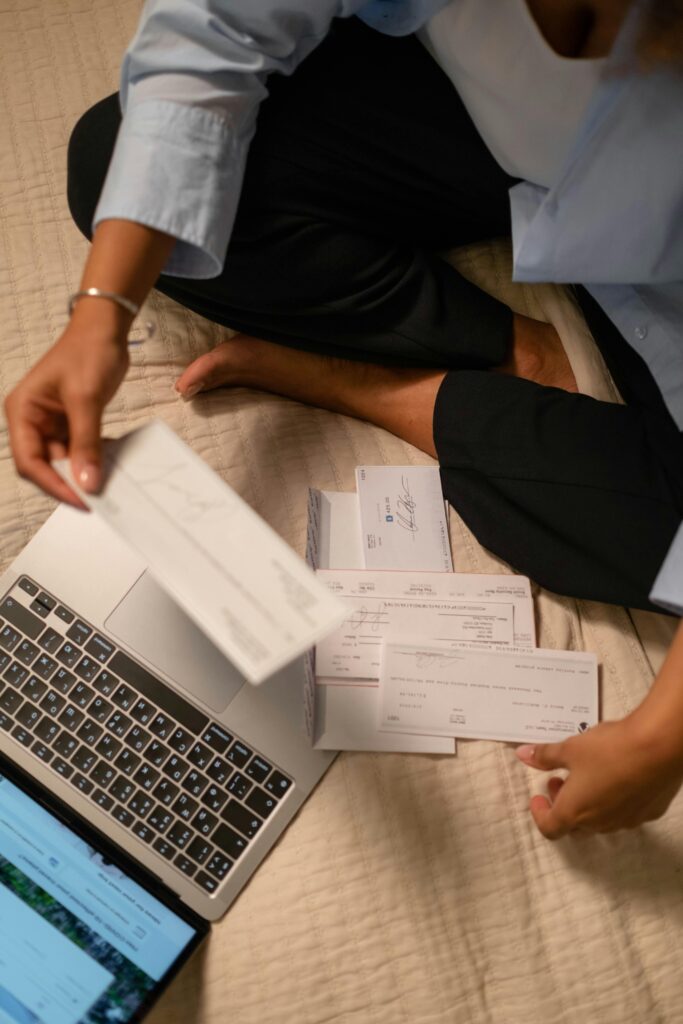
A checking account isn’t just another place to park your money—it’s a tool designed for convenience, documentation, and credibility. Here are the top benefits of having one:
1. Convenience & Safety
Carrying a checkbook is far safer than walking around with large amounts of cash. Imagine paying a contractor ₱250,000 for house repairs—it’s much safer (and easier) to write a check than to carry a bag of cash.
2. Proof of Payment
Cleared checks serve as solid documentation that you’ve paid a bill or obligation. Unlike cash payments, which can be hard to track if you misplace the receipt, checks provide a paper trail that banks verify.
3. Flexibility in Payments
Some financial obligations require checks, especially post-dated checks (PDCs). For example, housing loans, car loans, rental agreements, and even some business suppliers require PDCs as assurance. Without a checking account, you might not be able to proceed with these transactions.
4. Business Credibility
For entrepreneurs, issuing checks helps build trust with suppliers, partners, and creditors. Many vendors still prefer checks over digital transfers because they feel more “formal” and traceable.
5. Better Financial Tracking
If you use checks systematically and record them properly, a checking account can help you monitor cash flow, budget, and even prepare for tax filing. It’s a practical financial management tool when handled responsibly.
Types of Checking Accounts
Before you open one, it helps to know the different kinds of checking accounts available in the Philippines:
- Personal Checking Accounts – Best for individuals handling personal or household bills, loan repayments, or rent.
- Business/Corporate Checking Accounts – Designed for entrepreneurs who issue checks regularly to suppliers, employees, and partners.
- Interest-Bearing Checking Accounts – Some banks offer accounts that earn interest if you maintain a high balance (though rates are often lower than savings accounts).
- Special Checking Accounts – Some banks tie them to other services, like a payroll system or business loans.
Questions to Ask Before Opening a Checking Account
Not all checking accounts are created equal. Banks have different requirements, fees, and policies. Before signing up, ask these key questions:
- What is the maintaining balance?
Some accounts require ₱5,000, others ₱10,000 or more. If your balance falls below this, you’ll be charged a penalty. - Does the account earn interest?
If yes, what’s the minimum balance required? If no, you may want to keep savings in another account instead. - Are there monthly fees or other charges?
Some banks charge service fees if you don’t meet certain requirements. - Is there a limit to the number of checks I can issue each month?
For most accounts, there’s no limit, but it’s good to clarify. - How much do new checkbooks cost?
Checkbook prices range from ₱150–₱300 depending on the bank. - What’s the policy for stop payment requests?
If you lose your checkbook or make an error, you’ll need to stop payment. Banks charge fees for this. - What are the penalties for bounced checks?
This is crucial. Bounced checks (due to insufficient funds) not only carry bank charges—they can damage your credit and even lead to legal cases under Philippine law (BP 22 or the “Bouncing Checks Law”). - Is there overdraft protection?
Some banks allow overdraft facilities (like a short-term loan when funds are insufficient), but this usually comes with fees or interest.
Important Reminders for Checking Account Holders
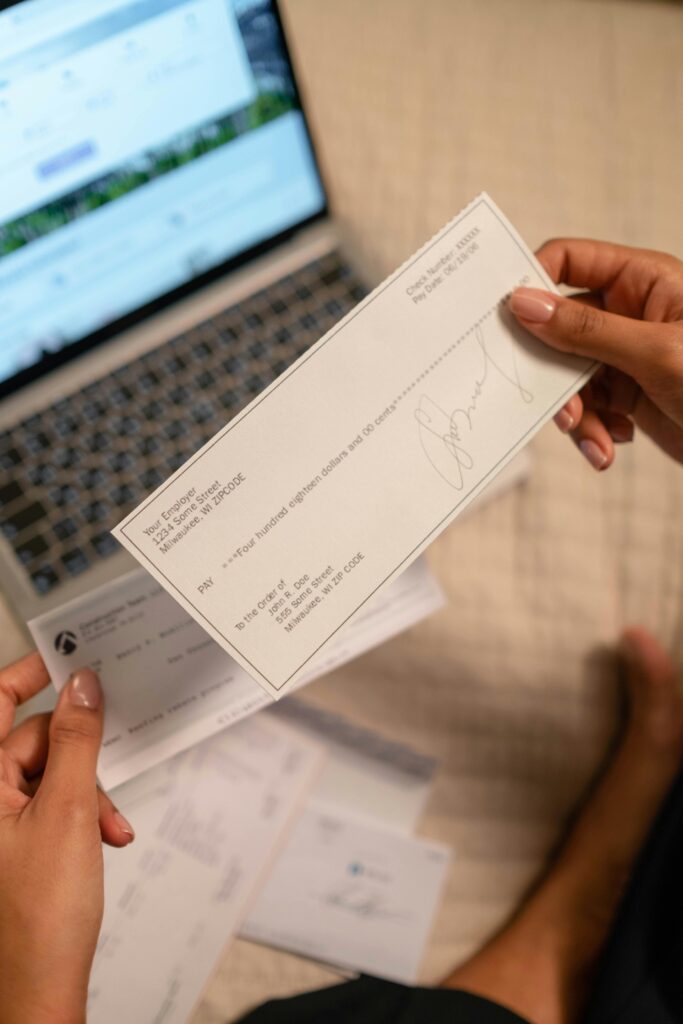
If there’s one golden rule, it’s this: Never issue a check without enough funds.
A bouncing check doesn’t just mean bank charges—it can hurt your reputation, lower your credibility with suppliers, and even result in criminal liability.
Here are some best practices to protect yourself:
- ✅ Balance your checkbook regularly. Always track issued checks and pending clearances to avoid mistakes.
- ✅ Avoid writing checks payable to “CASH.” If your checkbook is stolen, this could be encashed easily.
- ✅ Cross your checks. A crossed check can only be deposited, not encashed, adding a layer of safety.
- ✅ Store your checkbook securely. Treat it like cash—never leave blank checks lying around.
- ✅ Double-check details. Make sure the amount (in numbers and words), date, and payee’s name are correct before signing.
- ✅ Sign consistently. Inconsistent signatures can cause delays or rejections.
Real-Life Scenarios: Why You Might Need a Checking Account
To make this more relevant, here are examples of situations where a checking account is essential in the Philippines:
- Housing Loans: Banks usually require post-dated checks for monthly amortizations.
- Car Financing: Dealerships often prefer PDCs as proof of future payments.
- Apartment Rentals: Many landlords request PDCs for 12 months’ worth of rent upfront.
- Business Transactions: If you run a store or small enterprise, suppliers may ask for checks to secure orders.
- Large Purchases: Writing a check for ₱300,000 worth of equipment is safer and more professional than paying in cash.
Checking Accounts vs. Savings Accounts
It’s also helpful to understand the difference between a checking account and a savings account:
- Purpose: Savings accounts are designed for storing money, while checking accounts are for transactions.
- Interest: Savings accounts typically earn interest (though very small), while checking accounts rarely do.
- Access: Savings accounts use ATMs and online transfers; checking accounts use checks and may also have online features.
- Documentation: Checking accounts provide a stronger paper trail for payments.
In reality, many financially savvy Filipinos maintain both accounts—one for savings and another for managing bigger payments.

Common Mistakes to Avoid
- Using it like a savings account. Checking accounts are not meant for storing idle money long-term.
- Neglecting to track balances. Unlike ATM withdrawals, checks may clear days later, making it easy to miscalculate.
- Issuing post-dated checks without proper planning. Always make sure you’ll have funds ready when they’re due.
- Ignoring bank fees. Some accounts come with hidden charges. Always read the fine print.
Final Thoughts
A checking account isn’t something everyone needs right away, but when the time comes, it can be an essential financial tool. Handled responsibly, it gives you:
- ✔ Flexibility in handling large payments
- ✔ Credibility for business and loan applications
- ✔ Documentation for tracking financial transactions
But mismanaged, it can cause stress, penalties, and even legal consequences.
So before opening one, make sure you:
- Understand the requirements and fees,
- Develop the discipline to track your finances, and
- Commit to never issuing checks without funds.
💡 Bottom line: A checking account can open new opportunities in your financial journey—but it comes with greater responsibility. Treat it with care, and it will serve as a powerful tool for convenience, credibility, and control.