How to Build an Emergency Fund

An emergency fund is one of the most important foundations of financial stability. Life is unpredictable—cars break down, jobs end, illnesses happen—and having cash set aside can mean the difference between peace of mind and financial stress.
Yet, many people either don’t have one or have only saved a small amount. In fact, when I asked some friends if they had an emergency fund, most said yes—but only a few had more than a month’s worth of expenses saved. This is a common reality: people often believe they’re financially “safe” because they have a little extra in the bank, but when a real emergency strikes, they quickly realize it isn’t enough. That raises the big question:
How Much Should You Save?
There isn’t a single number that works for everyone. The right size of your emergency fund depends on your lifestyle, income stability, and responsibilities.
- Single employees with steady jobs may find 3 months’ worth of expenses sufficient. If you’re renting a small apartment, have minimal dependents, and work in a stable industry, you can start with a smaller cushion.
- Married couples or families are better off with 6–12 months saved, given the added responsibilities and unpredictability. A single hospital bill, sudden job loss, or emergency repair can wipe out smaller funds.
- Freelancers, entrepreneurs, or contract workers may want even more saved—12 months or more—because their income is less predictable. Unlike salaried employees, there’s no guaranteed paycheck every two weeks.
A simple way to decide is to ask yourself: If I lost my main source of income today, how long would it realistically take me to recover? That’s your personal target.
Why Cash Beats Credit Cards
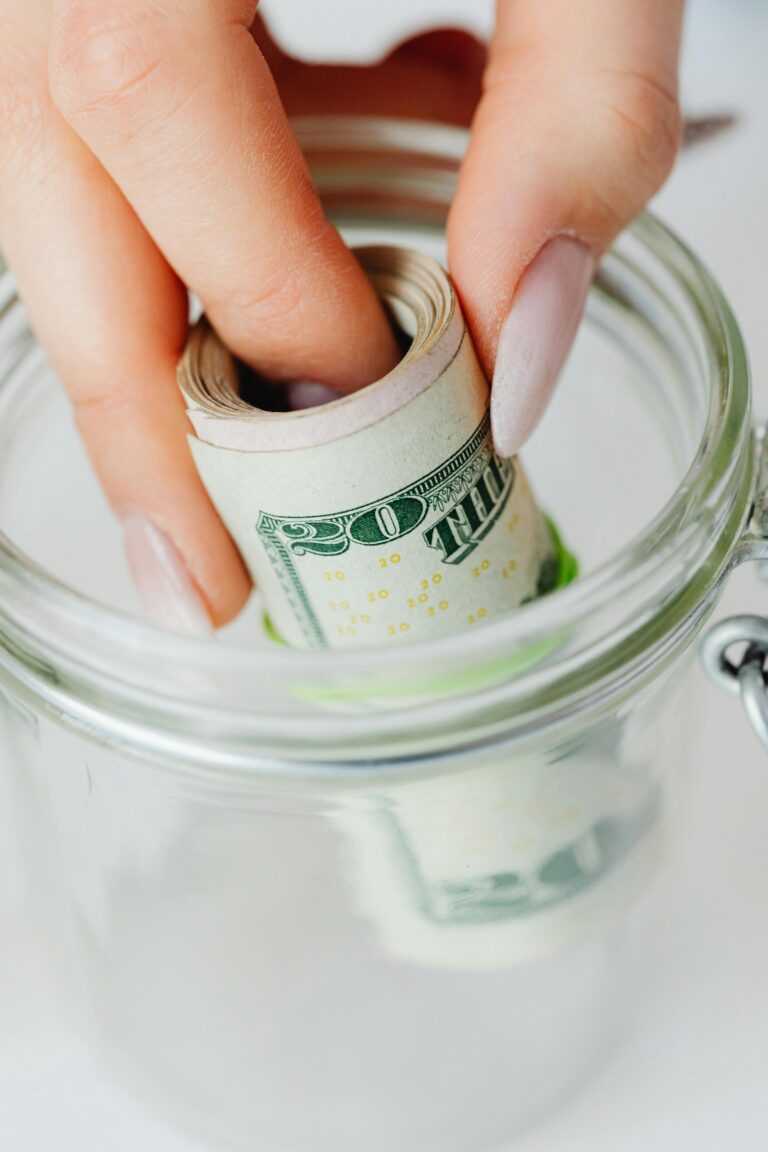
Some people assume a credit card can serve as their emergency plan. But credit is not the same as cash—it often costs more in the long run.
For example, when my car needed repairs, my trusted mechanic only accepted cash. If I had used a card elsewhere, I would have spent more for the same service and faced interest if I couldn’t pay it off right away.
Here are a few reasons why cash is always superior to credit during emergencies:
- Cash is immediate. Whether it’s a hospital bill, groceries, or a house repair, cash is always accepted. Credit is only helpful if the merchant allows it.
- No debt spiral. Using a card without paying in full adds interest charges. Emergencies are already stressful—you don’t want to add debt to the burden.
- Peace of mind. Knowing you have money readily available provides emotional stability. Relying on credit creates anxiety because you know repayment is inevitable.
In short: credit can be a backup tool, but it should never replace an actual emergency fund.
5 Steps to Building Your Emergency Fund
Building an emergency fund doesn’t happen overnight, but it’s more achievable than most people think. Here’s a simple framework:
1. Track Your Expenses
You can’t build an emergency fund without knowing what you spend each month. Write down your essentials: rent or mortgage, utilities, groceries, transportation, insurance, and debt payments. This number forms the basis of your fund.
For example, if your monthly essentials are ₱30,000 and you aim for 6 months, your target is ₱180,000.
2. Determine Your Goal
Decide how many months’ worth of expenses you need to feel secure. For beginners, even starting with ₱10,000–₱20,000 can make a big difference—it’s enough to cover small emergencies like car repairs or medical check-ups.
The important thing is to set a realistic goal that you can actually commit to.
3. Separate Your Fund
Psychology plays a huge role in saving. If your emergency fund sits in the same account as your daily spending money, chances are you’ll dip into it. The best approach is to keep it in a separate, dedicated savings account—ideally one that’s easy to access but not too tempting.
Pro tip: look for banks that offer high-yield savings accounts. This way, your emergency fund doesn’t just sit—it grows, even if slowly.
4. Pay Yourself First
Most people save only after spending, which usually means nothing is left. Instead, flip the system: every payday, set aside a fixed amount for your emergency fund before paying for wants. Treat it like a non-negotiable bill.
Even small amounts add up. For example, saving ₱2,000 a month means ₱24,000 in a year. With consistency, you’ll reach your goal sooner than you think.
5. Keep Going Beyond Your Goal
Once you’ve reached your initial target, don’t stop. Adjust your fund as your lifestyle grows. If your monthly expenses increase—say you move to a bigger house, get married, or have kids—update your emergency fund accordingly.
Eventually, once you’ve built a strong emergency cushion, you can redirect extra savings into investments. This ensures your money doesn’t just sit but works for you.
Common Mistakes People Make with Emergency Funds
Even when people understand the importance of an emergency fund, they often make mistakes that weaken its purpose. Here are a few to watch out for:
- Using it for non-emergencies. A vacation, new gadget, or holiday shopping spree isn’t an emergency. If you dip into your fund for wants, you’ll regret it when real problems arise.
- Saving too much in cash. While cash is essential for emergencies, holding excessive amounts in low-interest savings accounts can hurt long-term growth. Once you’ve hit your emergency goal, consider putting extra funds into investments.
- Not replenishing it. If you withdraw money for a real emergency, don’t forget to refill it. The purpose of the fund is to always be ready.
Relying solely on others. Some think, “My parents will help” or “I have friends who’ll lend me money.” That’s risky and unfair—true financial independence means relying on yourself.

The Psychological Benefit of Having an Emergency Fund
Beyond numbers, an emergency fund provides emotional security. Money problems are one of the top sources of stress for individuals and families. Knowing you have a cushion makes life’s uncertainties easier to manage.
For instance:
- You won’t panic during a sudden job loss—you’ll calmly plan your next move.
- You won’t hesitate to seek medical care because of fear of expenses.
- You’ll have confidence in taking calculated risks (like starting a side hustle or investing), knowing you have a safety net.
An emergency fund isn’t just about survival—it’s about freedom and peace of mind.

Final Thoughts
Think of your emergency fund as financial insurance—it protects you when life throws unexpected challenges your way. Build it while times are good so you won’t have to panic when times get tough.
And remember: the goal isn’t just to “save and stop.” Your emergency fund should grow with you, keeping pace with your life, your family, and even inflation.
Start small if you have to, but start today. Because the truth is, emergencies don’t wait until you’re ready.
When you have your emergency fund in place, you’re not just preparing for problems—you’re buying peace of mind, security, and the freedom to face the future with confidence.