A Simple Guide To Registering A Corporation in the Philippines


Starting a business is an exciting journey, but one of the most important decisions you’ll make early on is choosing the right legal structure. Many entrepreneurs begin with a sole proprietorship or partnership, but if your vision is to grow bigger, attract investors, or build something long-term, registering a corporation might be the smarter choice.
In the Philippines, incorporating a business may sound intimidating at first, especially if you’re unfamiliar with government requirements and paperwork. But once you understand the process, it becomes much more manageable. In this guide, I’ll walk you through the step-by-step process of registering a corporation in the Philippines—what you need, where to go, how much to prepare, and why each step matters.
Whether you’re planning to launch your first company or transitioning from a sole proprietorship, this guide will help you confidently navigate the registration process.
Why Register as a Corporation?
Before we dive into the steps, let’s talk about why incorporation matters.
- Limited Liability – Unlike a sole proprietorship, a corporation separates your personal assets from your business liabilities. This means that if the company faces debt or legal issues, your personal property is generally protected.
- Credibility and Professionalism – A corporation adds weight to your brand. It signals to clients, investors, and partners that you’re serious about your business.
- Growth Potential – Corporations can raise capital by issuing shares, making it easier to expand.
- Continuity – Unlike sole proprietorships that end when the owner exits, corporations have perpetual existence, giving your business long-term stability.
Of course, corporations come with more responsibilities—higher compliance requirements, stricter reporting, and more paperwork—but for many entrepreneurs, the benefits outweigh the challenges.

Step-by-Step Guide to Registering a Corporation in the Philippines
Step 1: Verify and Reserve Your Company Name
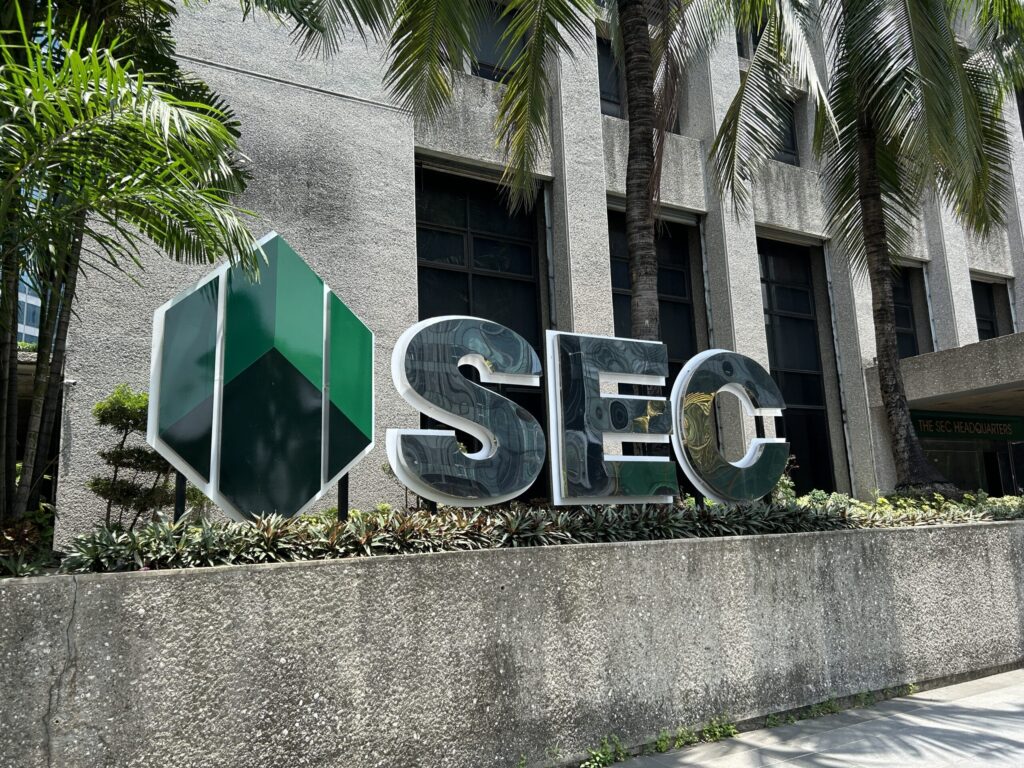
The first step is securing your desired business name with the Securities and Exchange Commission (SEC). This ensures that your chosen name is unique and not already in use.
- Where to go: SEC Name Verification System (now online via SEC eSPARC).
- Cost: ₱40 for one-month reservation. You can extend if needed.
- Tip: Prepare 2–3 name options just in case your first choice is unavailable.
Step 2: Open a Corporate Bank Account for Paid-In Capital
Once your name is reserved, you need to open a corporate bank account and deposit the minimum paid-in capital.
- Requirement: A bank certificate as proof of deposit.
- Cost: Varies by bank.
- Tip: Some corporations require at least ₱5,000 paid-in capital, but check if your industry requires a higher amount.
Step 3: Draft and File Your Incorporation Documents
This is one of the more technical steps. You’ll need to prepare the Articles of Incorporation, By-laws, Treasurer’s Affidavit, and other supporting documents.
- Where to go: SEC.
- Timeline: At least 3 working days.
- Cost: Around ₱2,500–₱5,000 depending on authorized capital stock.
- Tip: If you’re unsure about the documents, consult a lawyer or corporate secretary to avoid mistakes.
Step 4: Secure a Community Tax Certificate (CTC)
Also known as a cedula, this is obtained from your barangay or city hall.
- Cost: Starts at ₱500.
- Timeline: 1 day.
Step 5: Apply for Barangay Clearance
You’ll need clearance from the barangay where your office will operate.
- Cost: Around ₱1,000.
- Timeline: 2 days.
- Tip: Prepare your lease contract or proof of business address.
Step 6: Get a Mayor’s Business Permit
The business permit is issued by the City Hall’s Business Licensing Office.
- Cost: Highly variable depending on business size and declared capital. Expect at least ₱10,000.
- Timeline: 1–2 weeks.
Tip: This is usually the most time-consuming step, so prepare all requirements early.
Step 7: Register with the Bureau of Internal Revenue (BIR)
All corporations must register with the BIR for tax purposes.
- Requirements:
- Tax Identification Number (TIN)
- Authority to Print Receipts/Invoices
- Registration forms
- Cost: Around ₱750 + documentary stamp tax.
- Timeline: 3–4 days.
Step 8: Purchase Accounting Books
You’ll need four books: Cash Receipts, Cash Disbursements, Ledger, and General Journal.
- Where to buy: Any bookstore.
- Cost: Around ₱500.
Step 9: Print Official Receipts
All receipts must be printed by a BIR-accredited printing press.
- Cost: Around ₱5,000 for 25 booklets.
- Timeline: 1 week.
Step 10: Have Your Receipts and Books Stamped by the BIR
Bring your receipts and accounting books to the BIR for stamping.
- Cost: Free.
- Timeline: 1 day.
Step 11: Register Your Employees
Finally, if you have employees, you need to register them with:
- Social Security System (SSS)
- PhilHealth
- Pag-IBIG Fund (HDMF)
- Department of Labor and Employment (DOLE)
- Timeline: About 2 weeks to process all.

Additional Notes
- Some industries (like real estate, schools, pawnshops, and healthcare) may require special permits.
- Processing times may vary depending on your city or municipality.
- Always double-check requirements online or at government offices before proceeding.
Practical Tips for Entrepreneurs
- Budget extra: Aside from official fees, prepare at least ₱20,000–₱30,000 to cover incidental costs.
- Hire a corporate secretary: It saves time and avoids errors.
- Go digital where possible: SEC now accepts many applications online via SEC eSPARC.
- Think long-term: Incorporation is just the beginning; compliance and reporting must be done annually.
Final Thoughts
Registering a corporation in the Philippines may look overwhelming at first glance, but once you break it down into steps, it’s simply a process of gathering documents, paying fees, and waiting for approvals.
While it may take time, the benefits—credibility, growth opportunities, and long-term stability—make it worthwhile for any serious entrepreneur.
If you’re planning to build a business that lasts, incorporating is a strong foundation to start with.