Social Media Marketing: Establishing Your Business on The Social Web


Over the past decade, social media has completely changed the way people communicate, share information, and build relationships. What started as a space for connecting with friends and family has evolved into one of the most powerful tools for businesses to reach and engage their target audience.
Today, social media marketing is no longer optional—it’s a necessity. Whether you’re running a small startup, a local shop, or a large corporation, building your presence on the social web is crucial if you want to stay competitive in a digital-first world.
In this article, we’ll explore what social media marketing really means, why it’s vital for businesses of all sizes, and how you can effectively establish your brand online.
What is Social Media Marketing?
At its core, social media marketing (SMM) refers to the use of social networking platforms to promote products, services, or your brand as a whole. Unlike traditional advertising, which often involves one-way communication, social media allows businesses to engage in two-way conversations with their customers.
This is where its power lies. Instead of simply broadcasting a message, you get to listen, respond, and build meaningful relationships.
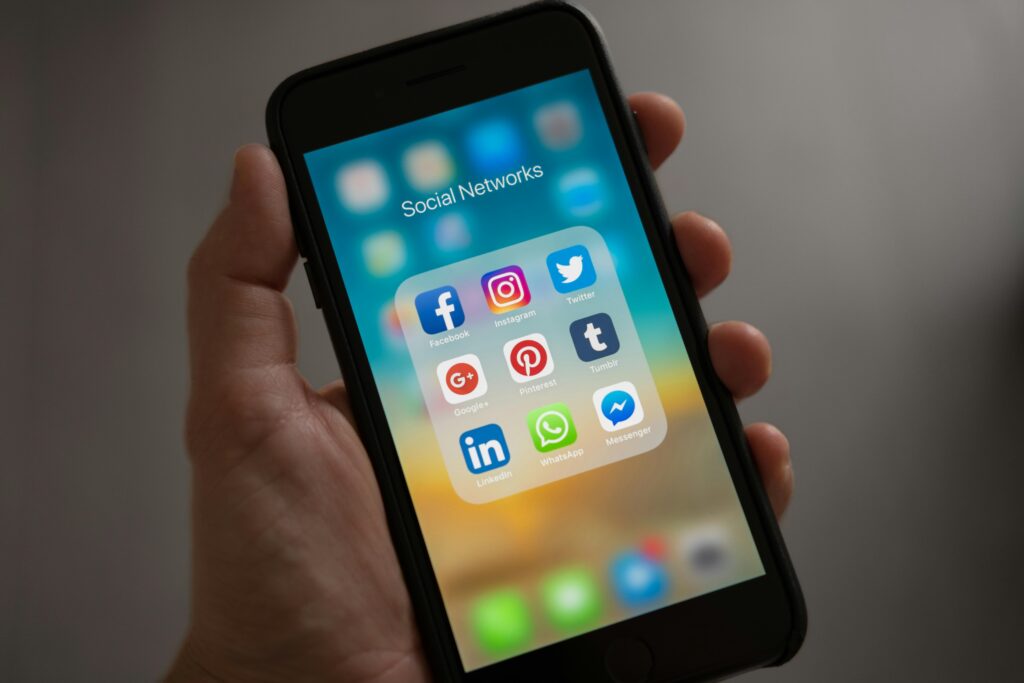
Some of the most popular platforms for social media marketing today include:
- Facebook & Instagram – Great for storytelling, ads, and community-building.
- TikTok – Short, viral videos with huge potential for brand awareness.
- X (formerly Twitter) & Threads – Best for quick updates, engagement, and thought leadership.
- LinkedIn – Ideal for B2B marketing, networking, and professional branding.
- YouTube – Long-form video content that builds trust and authority.
And let’s not forget blogs, forums, and niche communities where conversations happen outside the mainstream platforms.
The point is: the social web is vast, and your customers are already there. The question is—is your business present where they spend their time?
Why Businesses Can’t Ignore Social Media
For many entrepreneurs, the idea of building a social media presence can feel overwhelming. But here’s why it’s no longer optional:
- Your customers are online.
Billions of people use social media daily. Ignoring it means leaving money on the table. - It builds trust and credibility.
Consumers today don’t just buy products—they buy into brands. A strong, authentic online presence reassures customers that your business is legitimate. - It’s cost-effective marketing.
Compared to traditional advertising, social media campaigns are affordable and can reach a far wider audience. - It creates a feedback loop.
Social media gives you real-time insights into what your customers like, dislike, and expect. - It drives business growth.
Done right, social media marketing leads to increased brand awareness, customer loyalty, and sales conversions.
Think of it this way: if traditional marketing is like shouting through a megaphone, social media marketing is like hosting a conversation at a dinner table. Which one do you think builds stronger relationships?
Four Steps to Establish Your Business on the Social Web
So how can you, as a business owner, make social media work for you? Let’s break it down into four simple but powerful steps:
Step 1: Identify Where Your Customers Are
Not all platforms are created equal, and not every business needs to be on all of them. The key is to find where your target audience spends their time.
- Selling fashion items? Instagram and TikTok are your go-to.
- Running a consultancy firm? LinkedIn is where your clients are.
- Offering tech reviews or tutorials? YouTube is the best choice.
- Managing a local restaurant? Facebook is still king for local reach.
Also, don’t underestimate niche spaces like online forums, private Facebook groups, or even community-based apps. The more specific you get with your audience, the more effective your marketing becomes.
Step 2: Create a Brand Presence and Engage
Once you’ve identified the right platforms, it’s time to set up your business accounts—not personal ones, but official brand pages.
But here’s the catch: social media isn’t about hard selling. Nobody logs in to Facebook or TikTok just to see ads. People are there to be entertained, informed, or inspired.
That’s why your content should focus on:
- Storytelling – Share the journey behind your brand.
- Education – Offer tips, insights, or solutions related to your niche.
- Engagement – Ask questions, run polls, or start discussions.
- Authenticity – Be human, not just a sales machine.
Remember: people connect with people, not logos.
Step 3: Listen and Learn
One of the most powerful aspects of social media marketing is the ability to listen in on your audience.
By reading comments, monitoring mentions, and analyzing conversations, you’ll uncover valuable insights:
- What do your customers love about your product?
- What pain points are they experiencing?
- What trends are they currently engaging with?
Use these insights to improve your offerings, refine your messaging, and even develop new products that meet actual demand. Social media isn’t just a marketing tool—it’s also a market research tool.
Step 4: Execute and Provide Value
Finally, it’s time to put everything into action. Execution means consistently sharing content that resonates with your audience, running campaigns, and experimenting with different strategies.
Here are some proven ways to add value:
- Share helpful blog posts or guides (like this one).
- Post customer testimonials or user-generated content.
- Offer exclusive promotions for your online community.
- Run contests, giveaways, or challenges to increase engagement.
- Use paid advertising to expand your reach strategically.
The goal is to create stories and experiences that highlight the value of your business without sounding like a pushy salesperson.

Tips for Successful Social Media Marketing
- Be consistent. Posting once a month won’t cut it. Set a schedule you can sustain.
- Track performance. Use analytics tools to measure what works and what doesn’t.
- Adjust strategies. Each platform has its own culture. What works on TikTok may not work on LinkedIn.
- Focus on building community, not just followers. A thousand engaged fans are better than ten thousand passive ones.
Traditional vs. Social Media Marketing
Traditional media—TV, radio, print—still has its place. But it’s expensive, limited, and doesn’t allow interaction. Social media, on the other hand, offers real-time conversations, data-driven results, and affordable entry points for even the smallest businesses.
In many ways, social media has leveled the playing field. A small startup with a strong TikTok presence can compete with big corporations that spend millions on TV ads.
Final Thoughts
The digital age has redefined how businesses connect with customers. Social media marketing is no longer just a trend—it’s a core business strategy.
If your business is still relying only on traditional methods, now is the perfect time to embrace the “new media.” Build your presence, engage authentically, and use the social web not just to promote your products, but to create lasting connections with your audience.
Remember: marketing is no longer about pushing products—it’s about building relationships. And there’s no better place to do that today than on social media.