Generic Medicines, Are They Worth Buying?


When you walk into a pharmacy, you’ll usually notice two kinds of medicines: branded and generic. Many people choose generics because they’re much cheaper—but does “cheaper” mean “less effective”?
This question is common in households across the Philippines. Families want affordable healthcare but also want the assurance that what they’re taking truly works. Let’s dig deeper into what generic medicines are, how they compare to branded ones, and whether they’re really worth buying.
What Are Generic Medicines?
Pharmaceutical companies spend billions in research, testing, and clinical trials to create a new drug. This process can take more than a decade and requires years of scientific work. Once a drug is approved, the company is granted a patent—exclusive rights to produce and sell the medicine for about 20 years.
When that patent expires, other pharmaceutical companies can manufacture the same drug using the same active ingredient. These alternatives are what we know as generic medicines.
To illustrate:
- Branded medicine: Biogesic (paracetamol)
- Generic medicine: plain paracetamol tablet
They contain the same core ingredient, but the branding, packaging, and marketing make the difference.
Are Generics Safe and Effective?
The short answer: Yes.
In the Philippines, both branded and generic medicines must be reviewed and registered with the Food and Drug Administration (FDA, formerly BFAD) before they can be sold. This means generics must meet the same strict standards for:
- Purity – the medicine must contain the stated ingredients in the right amounts, with no harmful contaminants.
- Strength – the dosage has to match what’s on the label.
- Safety – it must not cause harmful effects when used as intended.
- Effectiveness – it should deliver the same therapeutic results as the branded version.
Doctors, pharmacists, and hospitals across the country prescribe generics daily. In fact, government hospitals often stock generics because they are proven effective and much more affordable for patients.
The most important thing is to buy only from licensed pharmacies and choose products made by legitimate, reputable manufacturers. Counterfeit medicines do exist, but this applies to both branded and generic drugs, which is why sourcing matters.
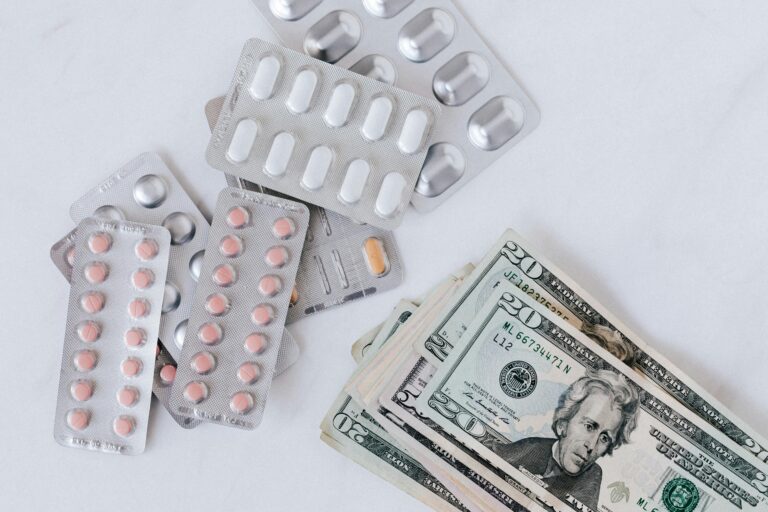
Why Are Generics Cheaper?
The cost difference is not about quality—it’s about how much was spent to bring the medicine to market.
- Branded drug manufacturers invest heavily in research, clinical trials, and marketing. They need to recover these expenses, so their prices are higher.
- Generic manufacturers, on the other hand, do not need to repeat the research and trials. They only need to prove that their version is equivalent in quality and effect. That means they can sell it at a fraction of the cost.
On average, generics in the Philippines cost 80–85% less than their branded counterparts. For families who need long-term maintenance drugs—for conditions like hypertension, diabetes, or asthma—that difference can mean thousands of pesos in savings every year.
Which Is Better: Branded or Generic?
Here’s the bottom line: Both work the same way in treating your condition because they share the same active ingredient.
Think of it this way:
- Generic medicine is like filtered tap water—clean, safe, and effective for hydration.
- Branded medicine is like bottled water—more convenient, often with added features like better packaging, flavors, or advertising, but not necessarily “better” at quenching your thirst.
In most cases, the difference lies in branding, packaging, taste (like syrups for kids), and sometimes added services (like customer hotlines). But when it comes to the therapeutic effect, they are essentially the same.

Are All Medicines Available as Generics?
Not always. If a medicine is still under patent protection, only the original company can sell it. That’s why newer medicines or specialized treatments may still only have branded versions.
But once the patent expires, you’ll usually see several generic alternatives enter the market. This increased competition often drives prices down, making treatments more affordable for everyone.
In the Philippines, the Generics Act of 1988 (Republic Act 6675) was passed to encourage the use of generics and make medicines more accessible to the public. Thanks to this law, doctors are required to prescribe medicines using their generic names first (like “amoxicillin” instead of “Amoxil”), allowing patients to choose between branded and generic versions at the pharmacy.
Common Myths About Generic Medicines
Despite their proven safety, many myths still surround generics. Let’s clear them up:
- “Generics are less effective.”
False. They contain the same active ingredient in the same dosage as branded drugs. - “Generics are lower quality because they’re cheaper.”
Not true. The price difference comes from lower marketing and R&D costs, not from lower production standards. - “Branded medicines work faster.”
No scientific evidence supports this. Both are absorbed by the body in the same way. - “Generics are only for poor people.”
This is a stigma, but in reality, even financially well-off patients choose generics because they are practical and reliable.
When Should You Choose Branded Over Generic?
While generics are generally safe and effective, there are cases where branded medicines may be preferable:
- Allergy or sensitivity: Some patients react to fillers, dyes, or binders used in certain generic formulations.
- Special formulations: Certain branded drugs may offer extended-release versions not yet available in generic form.
- Doctor’s advice: If your physician recommends a specific brand for a medical reason, it’s best to follow.
For most people, however, generics are a perfectly safe and cost-effective option.

Practical Tips for Consumers
If you’re considering making the switch or want to make sure you’re getting the most value from your medicine purchases, here are some practical steps:
- Always ask for the generic name. This gives you flexibility when choosing at the pharmacy.
- Compare prices. Don’t hesitate to ask the pharmacist for alternatives.
- Stick to trusted pharmacies. Licensed drugstores like Mercury Drug, Watsons, Southstar, or Generika ensure proper sourcing.
- Consult your doctor before switching. Especially for maintenance medicines, let your doctor know if you want to switch to generic.
- Check packaging and expiration dates. Counterfeit drugs exist—so make sure what you’re buying is sealed and properly labeled.
Final Thoughts: Save Money Without Compromising Health
Generic medicines are just as safe and effective as branded ones, and in many cases, they’re the smarter financial choice—especially for patients who need lifelong maintenance medication.
Of course, always consult your doctor before switching brands, but remember: paying more doesn’t always mean getting better treatment. Sometimes, going generic is the most practical and equally reliable option.
In a country where healthcare expenses can take a big chunk out of family budgets, choosing generics wisely can free up resources for other priorities—without sacrificing your health.
So the next time you’re at the pharmacy and the pharmacist offers you a generic alternative, don’t hesitate. You might just be making one of the smartest financial and health decisions of your life.