Investing Guide for Filipinos (Who Are Afraid to Invest)


When we hear the word investing, most of us immediately think of wealthy people, stock traders glued to their monitors, or entrepreneurs with millions of pesos at stake. It’s true that investing is one of the most important habits of financially smart people. But here’s the reality: many Filipinos who actually have the money to invest still don’t do it.
Why?
The number one reason is fear. Some people are afraid of losing their hard-earned savings. Others don’t know how to start, or they think investing is “too complicated.” Some have even been burned by scams, making them hesitant to trust any kind of investment ever again.
If this sounds like you, don’t worry—you’re not alone. And more importantly, you’re not hopeless. This guide is designed to help beginners who are afraid to invest. We’ll break things down step by step so that you can slowly build confidence and grow your money safely and wisely.

Step 1: Master the Art of Saving
Before you can call yourself an investor, you first need to be a saver. Think of saving as your “training ground” for investing.
A savings account teaches you three key lessons:
- Emergency protection – It’s your first defense against unexpected expenses.
- Spending control – It forces you to set aside money before you splurge.
- Frugality mindset – It helps you value every peso you earn.
💡 Action tip: Open a savings account dedicated solely to your future—not your day-to-day spending. Automate your savings by setting aside at least 10–20% of your income each payday.
Step 2: Build a Strong Emergency Fund
Once you’ve built the habit of saving, the next step is creating an emergency fund. This is your safety net for sudden medical bills, job loss, or car repairs.
Where should you put it? Time deposits and special deposit accounts (SDAs) are safe choices. They offer higher interest than regular savings accounts while keeping your money accessible.
How much should your emergency fund be? Ideally:
- Minimum: 3 months of living expenses
- Better: 6 months
- Best: 9–12 months
This way, you’ll never be forced to sell investments or borrow money just to survive a financial crisis.
💡 Action tip: Start small. Aim for one month’s worth of expenses first, then build it up until you reach at least six months.
Step 3: Explore Low-Risk Investments
Now that you have your safety net, it’s time to face your biggest financial enemy: inflation.
Inflation eats away at your money’s value. If prices rise 4% in a year but your savings only earn 0.25% interest, your purchasing power actually shrinks. That’s why it’s not enough to just keep money in the bank.
Low-risk investments help you fight back. Options include:
- Government bonds – Safe, reliable, and accessible even for small investors.
- Treasury bills – Short-term, low-risk securities backed by the government.
- Conservative mutual funds – Professionally managed funds that aim to match or slightly beat inflation.
- Insurance with investment features (VULs) – Gives you protection plus modest growth.
💡 Action tip: Try the government’s Retail Treasury Bonds (RTBs). They can be bought for as low as ₱5,000 and are a good entry point for first-time investors.
Step 4: Take the Leap into Moderate-Risk Investments
Low-risk investments will help you keep pace with inflation, but if you want to truly grow your wealth, you’ll need to consider moderate-risk options.
These include:
- Balanced funds – A mix of stocks and bonds for a safer middle ground.
- Blue-chip stocks – Shares of strong, established companies in the Philippines.
- Real estate – A condominium unit or small lot that appreciates over time.
- Small to medium businesses – Venturing into entrepreneurship.
These usually require a longer holding period—two to five years—before you see meaningful returns. That’s why you should only invest money here that you won’t need anytime soon.
💡 Action tip: If you’re scared of picking individual stocks, start with equity mutual funds or exchange-traded funds (ETFs). They let you invest in many companies at once, lowering your risk.
Step 5: Understand High-Risk, High-Reward Investments
Here’s the truth: low and moderate-risk investments can grow your money, but they probably won’t make you wealthy. The biggest leaps in wealth often come from high-risk investments—but they also come with bigger chances of loss.
Examples include:
- Aggressive stock trading
- Cryptocurrency
- Foreign exchange (forex)
- Large-scale business ventures
- Speculative real estate projects
These usually require a long-term horizon (5–10 years or more) before profits become clear. The key is not to jump in blindly but to educate yourself first and only invest what you can afford to lose.
💡 Action tip: If you’re curious about crypto or forex, start with a very small amount. Consider it as “tuition fee” for learning. Never risk your emergency fund or retirement savings here.
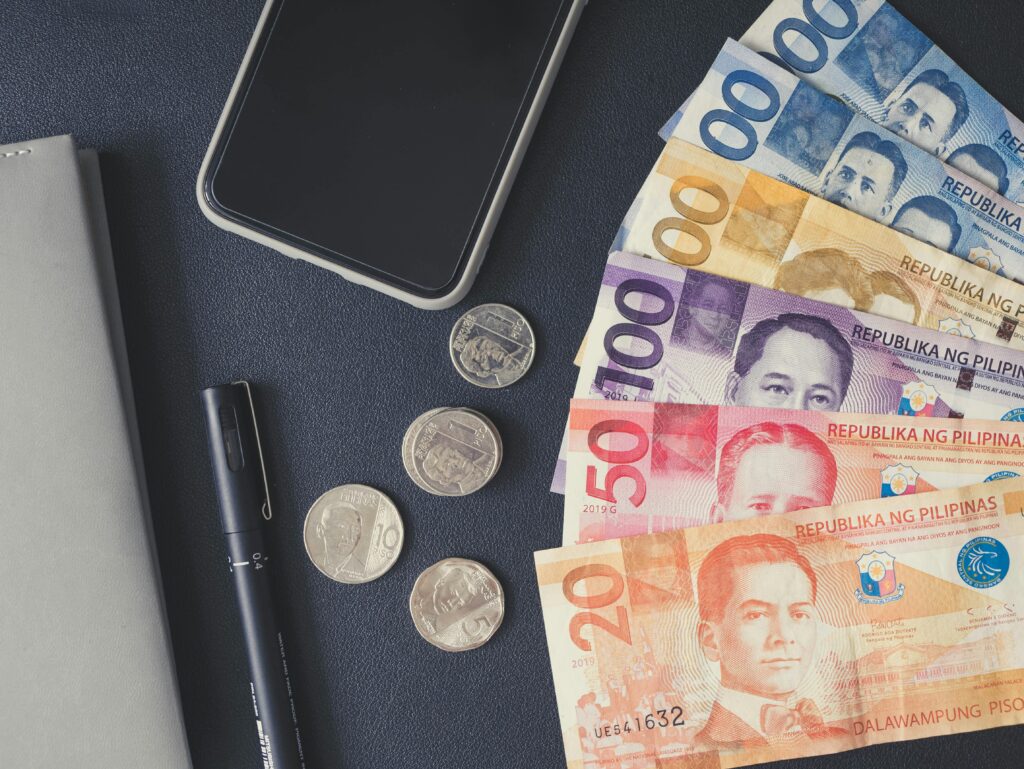
How to Overcome the Fear of Investing
If you’re still nervous, that’s okay. Here are some strategies to help you build courage:
- Start small. Even ₱1,000 invested is better than ₱0.
- Diversify. Don’t put all your money in one basket. Spread it across different types of investments.
- Think long-term. Time is your ally. The longer you hold investments, the more likely they’ll grow despite short-term ups and downs.
- Educate yourself. Read books, attend seminars, or consult a financial advisor. Fear often comes from not knowing enough.
- Have a clear goal. Don’t invest just because “everyone else is doing it.” Invest because you want financial freedom, a house, or a secure retirement.
Putting It All Together
Here’s a simplified roadmap to follow:
- Save consistently and track your expenses.
- Build an emergency fund in safe instruments like savings and time deposits.
- Move into low-risk investments to keep up with inflation.
- Progress into moderate-risk investments to beat inflation.
- Explore high-risk investments if your goal is wealth accumulation—but only after building a solid foundation.
Remember: being afraid to invest is normal—but staying afraid will cost you your financial future.

Final Thoughts
Investing doesn’t have to be overwhelming. You don’t need millions of pesos, and you don’t need to be a finance expert. What you do need is the willingness to start, the discipline to save, and the patience to let your money grow.
Fear is natural. But the bigger risk is not investing at all. Inflation won’t wait, emergencies will come, and retirement will arrive whether you’re ready or not.
So start today. Start small. And remember: the best time to invest was yesterday; the next best time is now.