Should You Start Your Own Business or Buy a Franchise?


One of the most common questions aspiring entrepreneurs face is this:
“Should I build a business from scratch or buy into a franchise?”
It’s a valid question—and not a simple one to answer. Both paths have their own advantages, risks, and unique challenges. At the end of the day, the better choice depends on your goals, resources, personality, and long-term vision.
Before we dive into comparing the two, let’s get one thing straight: whether you start your own company or become a franchisee, you’re entering the world of entrepreneurship. That means responsibility, risk-taking, decision-making, and resilience will all be part of your daily life.
So the first question you really need to ask yourself is:
👉 Am I ready to be an entrepreneur?
If your answer is yes, the next step is to figure out whether you’re better off creating your own business from the ground up—or leveraging the structure of a franchise.
Understanding Franchising: What You Need to Know
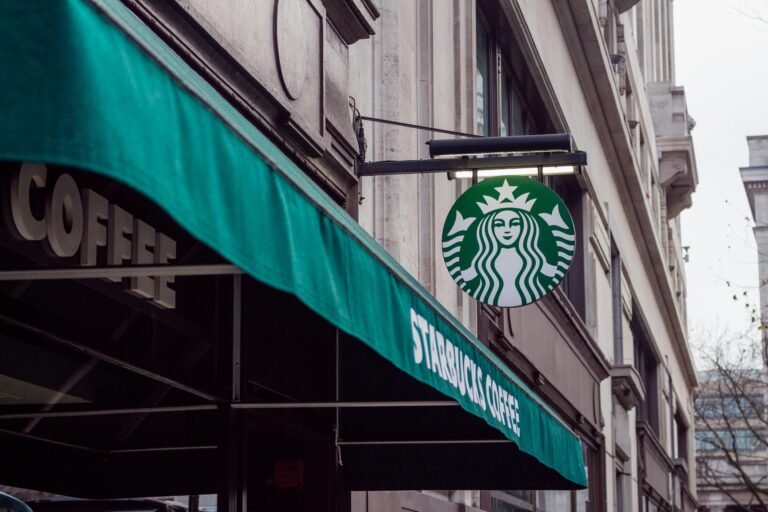
Franchising is essentially a partnership where you, the franchisee, operate under the brand, systems, and business model of a franchisor. In exchange, you usually pay an upfront franchise fee plus ongoing royalties.
Here are some common characteristics of franchising:
- Lower risk compared to startups – You’re buying into a proven model.
- No prior business experience required – The franchisor provides training and support.
- Higher startup costs – Franchise fees, royalties, and required fit-outs often make it more expensive than starting your own venture.
- Structured systems – You must follow the franchisor’s rules and guidelines, leaving less room for personal creativity.
- Shared success – You benefit from brand recognition, but you also operate within a larger “family” of franchisees.
Franchising can feel like business with training wheels—you gain support and guidance, but you’re also limited in terms of innovation.
Starting From Scratch: What It Really Means
When you build your own business, you’re not following anyone’s playbook—you’re creating one. That means you have the freedom to design your brand, products, systems, and strategies from the ground up.
But with that freedom comes added responsibility. You’re in charge of everything: branding, marketing, operations, hiring, systems, and customer service. There’s no established roadmap—you’ll learn as you go, often through trial and error.
While starting from scratch can be more risky and stressful, it can also be more rewarding. If your business succeeds, the credit is entirely yours. And unlike franchising, you won’t be paying royalties or stuck with someone else’s rules.
Points to Consider When Deciding
Now let’s break down the key factors that can help you decide whether to start your own business or buy a franchise.
1. Branding
One of the strongest arguments in favor of franchising is instant brand recognition. Buying into a popular franchise means customers already know and trust the brand, which can make customer acquisition easier.
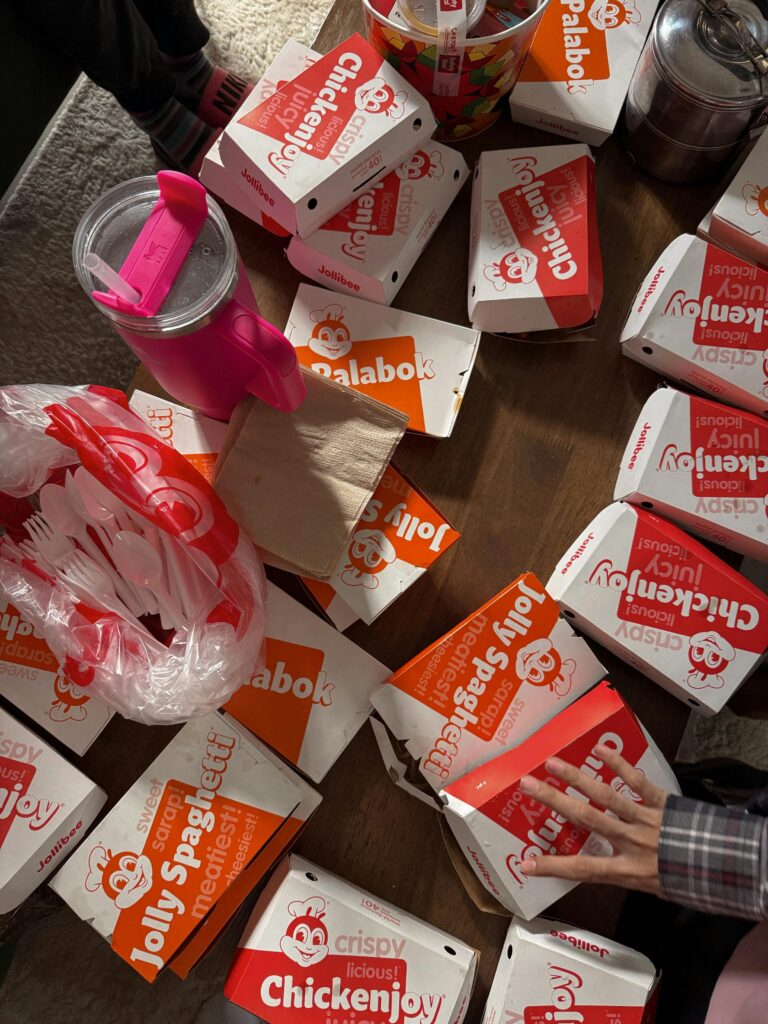
But if you have a unique vision or a brand concept that you’re passionate about, building your own startup allows you to bring that vision to life. Think of brands like Jollibee or Potato Corner—they all started as small ideas before becoming household names.
Ask yourself: Do you want the security of an established brand or the freedom to create your own?
2. Business Experience
Franchises are often marketed as being “business-in-a-box.” Even if you have zero experience, you’ll receive training and guidance from the franchisor. This makes franchising attractive for first-time entrepreneurs.
On the other hand, if you’re resourceful, self-driven, and excited about learning the ropes by trial and error, building your own business might be more fulfilling. The lessons you’ll gain—though sometimes costly—are invaluable.
Ask yourself: Do you want mentorship and structure, or do you prefer to explore and learn independently?
3. Systems and Processes
One of the biggest advantages of franchising is that the systems are already built for you: operations manuals, supplier relationships, marketing strategies, and training programs. You just need to implement them.
But with your own business, you get to design these systems yourself. It’s more work, but it also allows you to innovate. And who knows? If your system works well, you could even franchise your own business someday.
Ask yourself: Do you want to follow a system or create one?
4. Costs and Finances
Here’s where many people make their decision: the money side.
- Franchises often require significant upfront fees, royalties, and compliance costs. You’re paying for the brand, the system, and ongoing support.
- Starting your own business may cost less upfront, but expenses can balloon if you mismanage cash flow or make mistakes.
From a financial perspective, franchising offers more predictability, while startups carry higher risk—but potentially higher returns if you succeed.
Ask yourself: Do you have the capital for a franchise, or are you more comfortable testing the waters with a lean startup?
5. Creativity and Flexibility
If you’re someone who values creativity, flexibility, and innovation, starting your own business may be more satisfying. You’ll have full control over your products, branding, and direction.
Franchisees, however, need to stick to the rules. You can’t suddenly change the menu, rebrand, or adjust pricing on your own. Your creative freedom is limited by the franchisor’s policies.
Ask yourself: Are you okay with following strict guidelines, or do you want to build something that fully reflects your vision?
6. Long-Term Goals
Franchising is often seen as a safer bet, but it might not align with your long-term goals. If your dream is to build a legacy business or an original brand, franchising won’t give you full ownership of the brand identity.
But if your primary goal is stable income with reduced risk, franchising may be the smarter path.
Ask yourself: Do you want to be a franchise operator or a business creator?
Pros and Cons At a Glance
Here’s a quick summary:
Franchise Pros:
- Established brand recognition
- Lower risk compared to a startup
- Training and support provided
- Proven business systems
Franchise Cons:
- Higher upfront and ongoing costs
- Less creative freedom
- Bound by franchisor’s rules
Startup Pros:
- Full creative control
- Potentially lower startup costs
- You own the brand and the systems
- Unlimited growth potential
Startup Cons:
- Higher risk of failure
- Steeper learning curve
No support network unless you build one

Final Thoughts
Deciding between starting your own business and buying a franchise isn’t about which option is “better”—it’s about which option is better for you.
If you want guidance, structure, and a ready-made system, franchising can be a great choice. If you crave freedom, creativity, and the pride of building something from the ground up, starting your own business may be more fulfilling.
Whichever path you choose, remember this: success in business isn’t determined by the model alone. It comes from your mindset, commitment, financial discipline, and ability to adapt.
So, are you ready to take the leap into entrepreneurship? Whether you build your own empire or run a franchise unit, the journey starts with a decision—and the willingness to see it through.